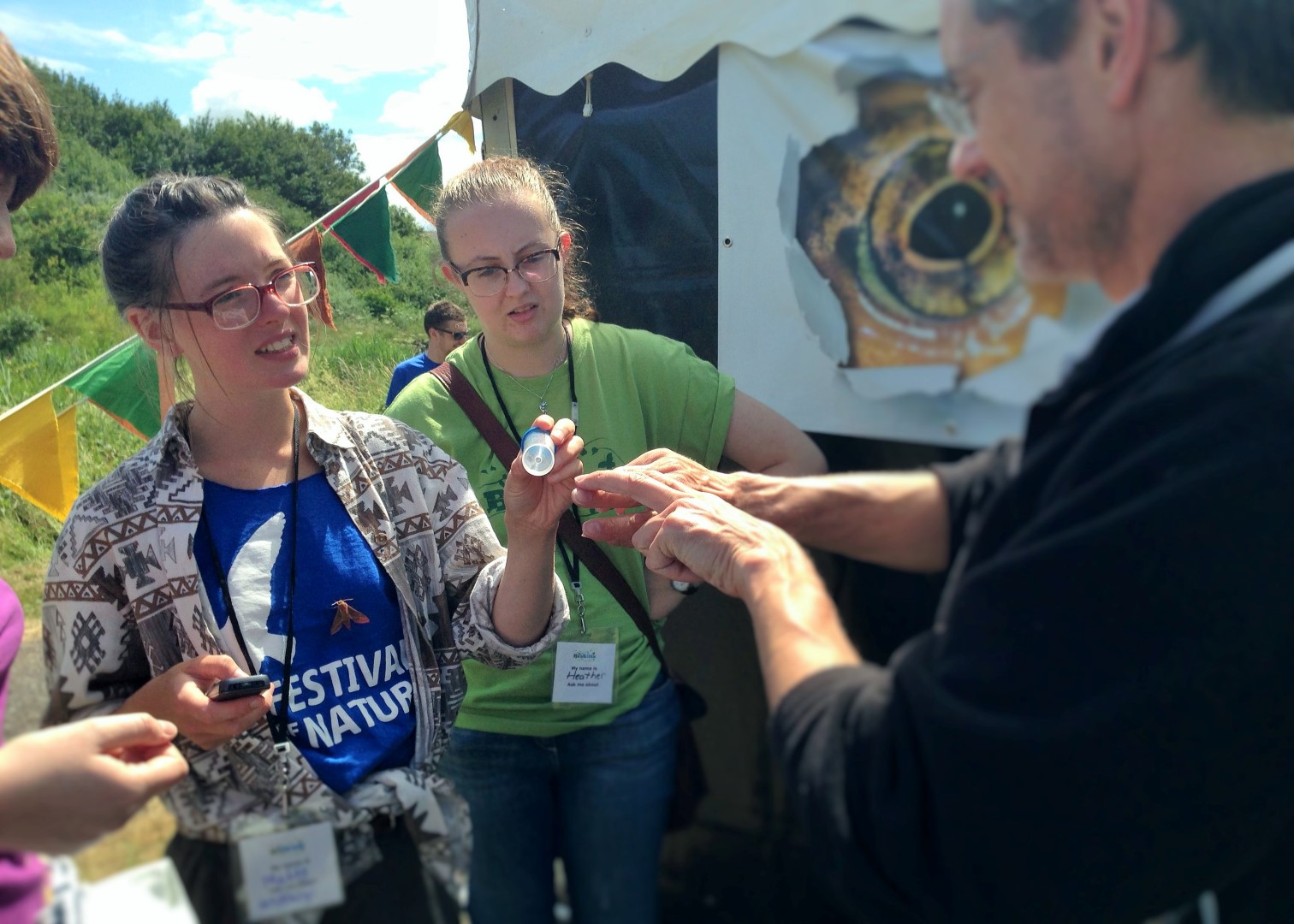
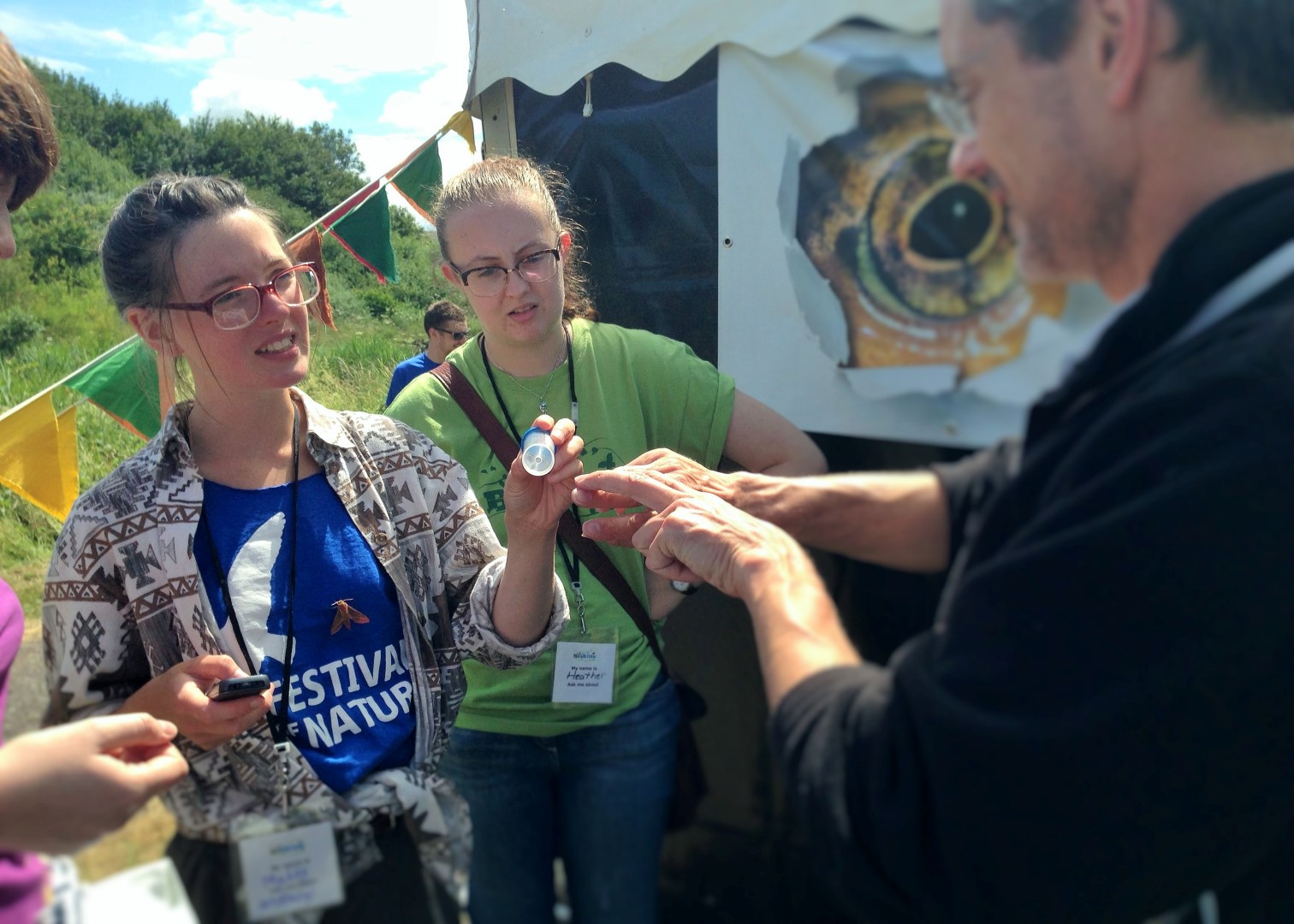
Sir David Attenborough has said: “No one will protect what they don’t care about; and no one will care about what they have never experienced.” In 2015 Hong Kong will launch its first Biodiversity Strategy and Action Plan under the international Convention on Biological Diversity. Biodiversity needs public support more than ever, but most of us can hardly name the plants and animals we see day to day.
Could BioBlitzes make a difference?
Bio means life, and Blitz means “to do something very quickly and intensively”. Together they make up “BioBlitz”, a fun and exciting event where you join naturalists, scientists and volunteers in a race against time to survey all forms of life in a green space (or even underwater!) There is something at a BioBlitz for everyone and you don’t need to be an expert, or have special kit, to get involved.
BioBlitzes first landed in the UK in 2006, in 2010 some 8,000 people turned up to explore Alexandra Palace Park in London at an event run by BBC/Natural History Museum. Bristol Natural History Consortium (BNHC) is now the UK’s BioBlitz coordinator and the event has taken off under them with 87 events held in 2014. In the US, National Geographic regularly attracts 5,000+ people at their annual BioBlitz held at various US National Parks.
So last July I volunteered for BNHC’s annual BioBlitz, a 30-hour Bristol-based event with activities running from 9am Friday throughout 5pm Saturday. BNHC chooses a different site each year and that time was at Three Brooks Local Nature Reserve, Bradley Stoke. The 60 hectare site sits next to a major motorway making it the smallest and most urban of the Bristol events so far. Would this reflect in the species tally?
Friday morning started off with Schools Day, where classes of local primary school students paired off with nature experts and volunteers to explore the nature reserve and do themed activities including leaf rubbing and identification, bug catching and identification and mammal tracking.
I joined a Bug Hunt with an expert volunteer who was also a lecturer from the University of West of England. We led the class into a thick grassy area, handed out bug pots and the students wasted no time catching all kinds of grasshoppers, ladybugs, spiders, butterflies which we helped them identify by their shape, number of legs and markings. Their teacher was amazed by how enthusiastic the kids had been and said they’d never done anything like it before! All bugs were released unharmed and we recorded everything they found to count towards the final species tally.
Schools Day ended late afternoon kicking off a schedule of activities for the public going on through the night and the next day. The BNHC team had set up a marquee tent inside the nature reserve acting as Basecamp. There was some quiet time when experts and volunteers could be spotted wandering off to do their own recording. After dark I joined a popular bat walk where we learned to tell apart different species using electronic handheld bat detectors (it’s all about the different frequencies of their calls), and helped set up a light trap to see what moths would visit. We left the core team settling into sleeping bags just after midnight just as the rain started…
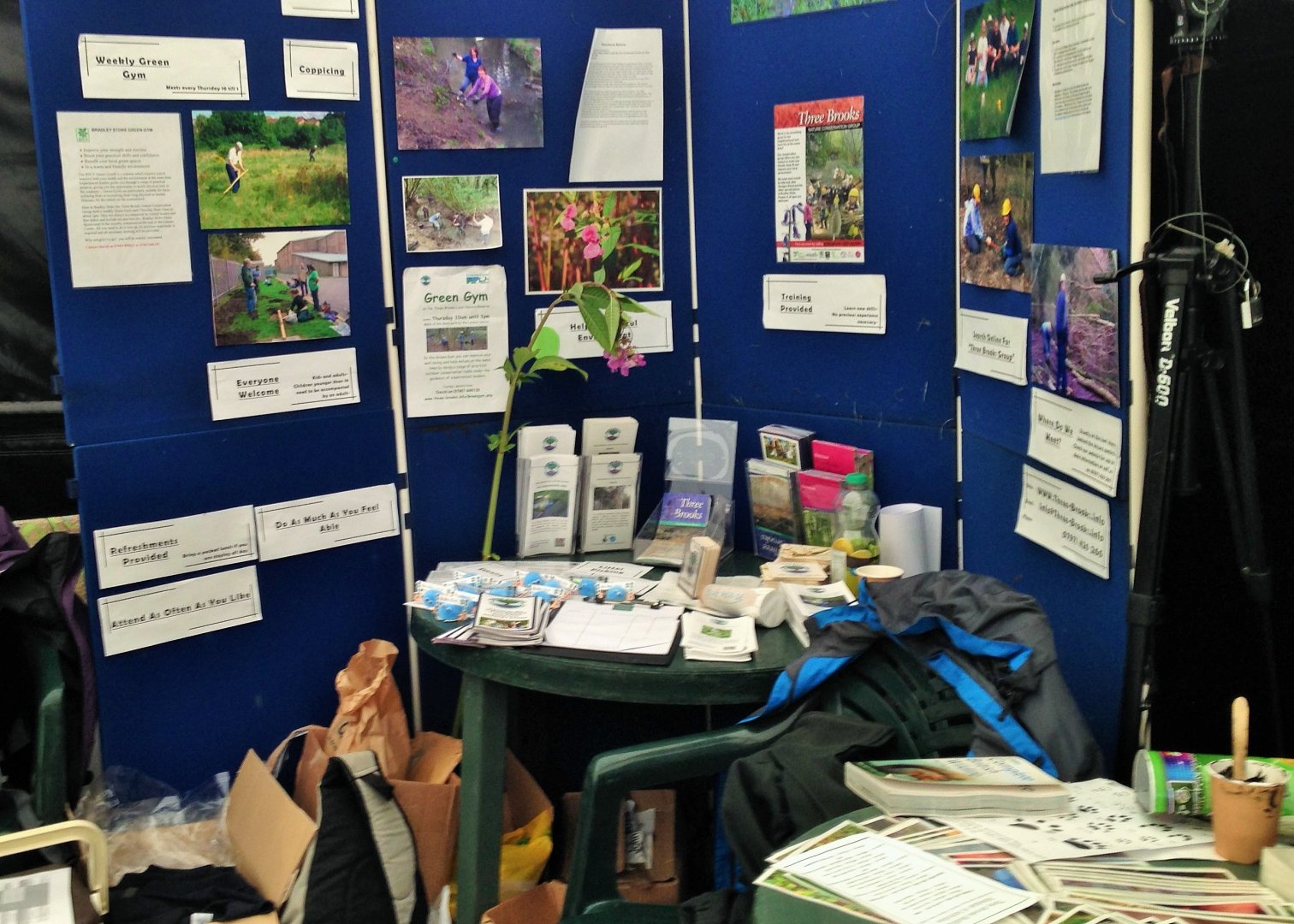
Saturday morning at Basecamp started with a very early, and very wet, bird walk. But then- the sun came out! We opened up the marquee which became a hubbub of activity. Groups of walkers, families and even a large group of language exchange students gathered outside to join expert guided walks on insects, butterflies, mammal tracking, pond-dipping, bird watching through the nature reserve. The rain had not deterred the moths with over 100 species identified and released, one looking exactly like a twig.
Inside, people were leafing through natural history books, talking to experts and volunteers, checking their findings, and looking through microscopes at what had been found. Various natural history societies had set up stalls with enthusiastic staff showcasing local conservation efforts. There were activities for kids to build bug houses for the garden (I asked what any Hong Konger would: won’t this attract cockroaches? The answer: that’s ok, they’re very good at making compost), and make craft animals.
All the while species record sheets were being handed in by experts and the public. The data was then being entered as fast as possible into computers at the nearby library as there was no mobile signal inside the reserve (unlikely to ever be a problem here!)
At 4:59pm the countdown began. 5..4..3..2..1! The Chair of South Gloucestershire Council announced the total… 617 species, most of these flowering plants, insects, and surprisingly lichens.
Would this work in Hong Kong? Why not? With 70 percent green space, 40 percent country park and 70+ Sites of Special Scientific Interest, most of which is accessible in under an hour by public transport, there is no shortage of varied terrain to explore.
So we’ve got together a great team of supporters from universities, natural history societies, green NGOs and others to plan an event for October 2015- first based in Tai Tam, and if it works to roll out at different sites throughout the territory (or even across the border!)
There are all kinds of uncertainties- will schools have enough flexibility to join? Will the public be interested in a nature themed outdoors event or would they rather be in a shopping mall? But we won’t know unless we try! Stay tuned and get in touch if you are interested!
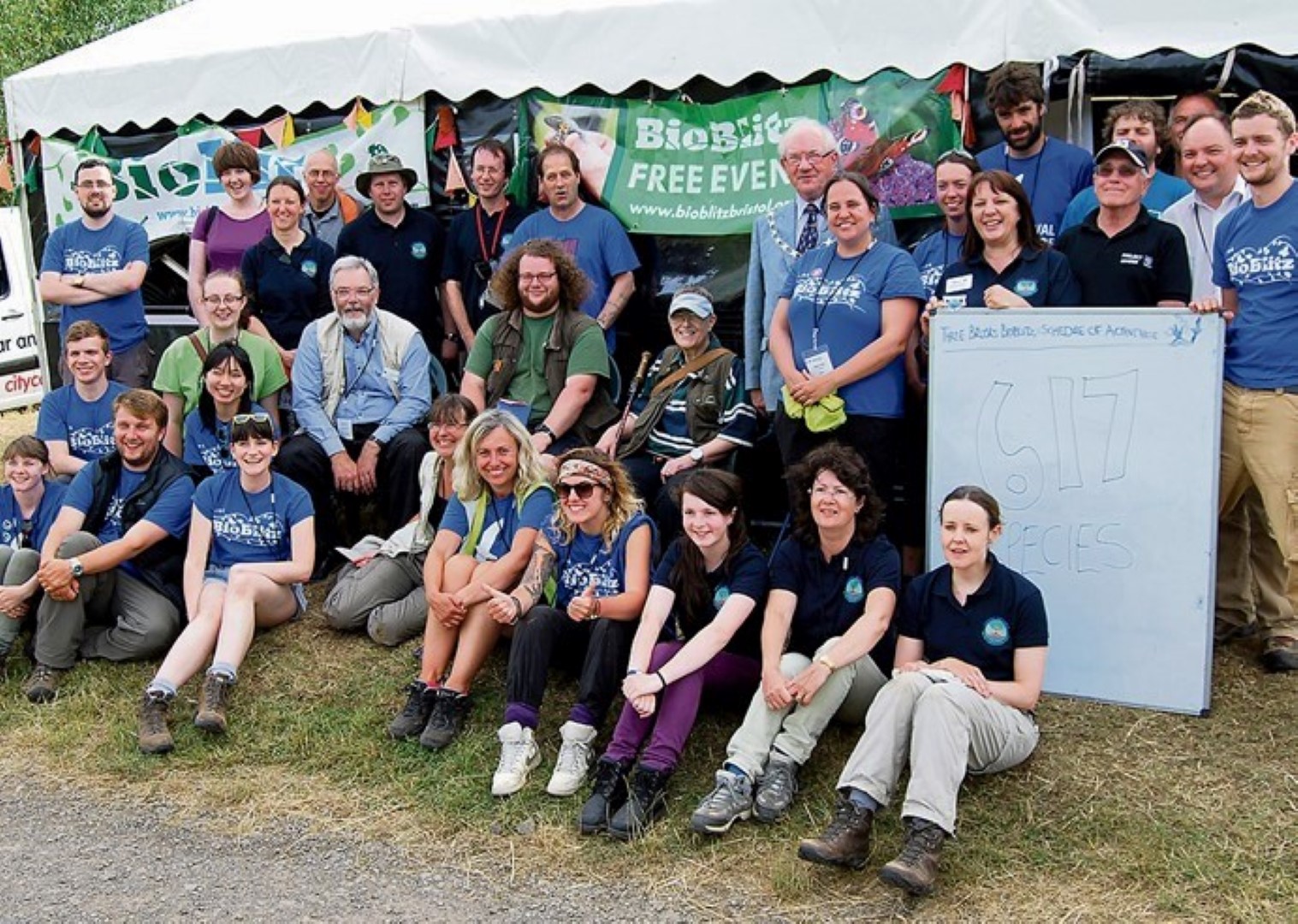
Three Brooks BioBlitz 2014:
More about BioBlitzes:
http://www.bnhc.org.uk/bioblitz/